

Table of Contents
If you’ve been blogging for a while, you’ve probably noticed that Google’s AI search experience (SGE) is changing how content appears on the internet. Instead of showing only the classic blue links, Google now uses AI to summarize content, highlight top answers, and display the most relevant information instantly. And that means one thing: your old SEO methods are no longer enough in 2025.
This is where the SGE Ranking Checklist becomes the new blueprint for bloggers, marketers, and website owners. Unlike traditional SEO, which focuses heavily on keywords and backlinks, SGE rewards deeper relevance, clear answers, authority, freshness, and content structure. If your content gives the best answer in the clearest and fastest way, Google’s AI will pick it — even over higher authority sites.
In this guide, you’re going to learn exactly How to rank in Google SGE using the latest AI-driven strategies. Whether you’re a beginner or an experienced blogger, this SGE optimization guide 2025 will show you everything you need to stay ahead of the competition.

Let’s jump right in.
What Is Google SGE and Why It Matters in 2025
SGE (Search Generative Experience) is Google’s AI-powered search system that analyzes multiple sources, combines the best information, and shows users an instant summary. This means users can get answers without even clicking a website, which is scary for many bloggers.
But here’s the good part:
Google still needs high-quality content to feed its AI system.
When you follow the SGE Ranking Checklist, you increase your chances of being featured inside the AI snapshot. And the sites that appear inside these AI summaries get a huge traffic boost.
That’s why learning Google’s AI Search ranking tips is the smartest thing you can do as a blogger in 2025. This is not optional anymore — it’s part of surviving in the future of SEO.
SGE Ranking Checklist 2025 (Complete Guide)
Below is the ultimate checklist you should follow to increase your chances of ranking in Google’s AI search results. Every point is practical, beginner-friendly, and based on real 2025 ranking trends.
1. Write Clear, Direct Answers in the First 2–3 Lines
In SGE, clarity wins.
When someone searches for “best SEO tools for beginners,” Google wants the answer now, not after a long intro.
To appear inside the snapshot:
- Start your article with a straightforward answer
- Explain the core idea clearly
- Avoid long fluff introductions
This is one of the most important steps in the Google SGE SEO checklist because AI summaries often pull content from the first few sentences of your post.
2. Use a Human Tone That AI Can Understand Easily
SGE prefers content written in a simple, human style. If your writing is overly robotic or stuffed with keywords, Google’s AI may skip it.
A natural tone helps AI extract meaning faster, making your content more eligible for AI-powered search ranking strategies.
Tips:
- Short sentences
- Clear explanations
- Conversational flow
- No keyword stuffing
Google wants content that feels human first, optimized second.

3. Add Sub-Topics and Supporting Angles (Topical Depth)
SGE loves depth. The more angles your article covers, the stronger its chances of getting picked.
For example, if you’re writing about “keyword research,” don’t just explain the basics — cover:
- Tools
- Mistakes
- Techniques
- Examples
- Step-by-step process
This is core to the SGE optimization guide 2025, because AI pulls from richly detailed articles that answer multiple user queries.
4. Add Problem-Solving Sections (Very Important)
Google SGE doesn’t just show information — it shows solutions.
Make sure each article contains:
- Common user problems
- Why they happen
- Quick solutions
- Best practices
This directly supports How to rank in Google SGE, because the AI tries to solve user pain points instantly.
5. Use Question-Based Headings (H2 and H3)
AI search loves question-based formatting.
Examples:
- What is SGE in Google Search?
- How does SGE affect SEO in 2025?
- How do you rank inside Google SGE snapshots?
This structure signals to Google that your content is highly answer-focused — a huge benefit for the SGE Ranking Checklist.
6. Add Fresh, Updated Information Frequently
SGE heavily favors fresh content.
If your article is older than 12–18 months, Google’s AI may skip it. Updating your content signals:
- Recency
- Relevance
- Accuracy
If you’re creating an SGE optimization guide 2025, keep updating stats, examples, and screenshots. Freshness boosts credibility in AI systems.

7. Use Author Expertise (E-E-A-T Matters More Than Ever)
SGE does not show content from random or weak sources unless absolutely necessary. If you want to appear in AI search:
- Add author name
- Add experience
- Add real examples
- Add case studies
This helps you gain trust and strengthens your AI-powered search ranking strategies.
8. Add Original Research, Tips, or Examples
Google rewards content that adds something new.
Examples include:
- Your own tips
- Your own process
- Personal results
- Screenshots
- Original insights
This sets your blog apart from generic AI-written content and boosts your score in the Google SGE SEO checklist.
9. Use Natural Keyword Placement (Topic > Keywords)
In the SGE ranking, keyword stuffing does not help. Instead, focus on meaning.
Use your main keyword and LSI keywords naturally within:
- Subheadings
- First paragraph
- Middle explanation
- Problem-solving parts
Remember:
SGE selects content for clarity and structure — not keyword density.
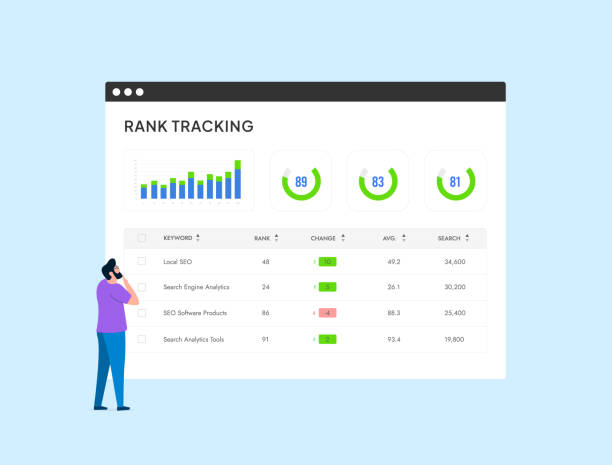
If you want faster rankings with less guesswork, switching to the best AI keyword research tools can transform your SEO—these tools uncover hidden, low-competition keywords in seconds. 🔍⚡
10. Add Comparison Sections (SGE Loves This)
Whenever possible, add:
- A vs B
- Tool comparisons
- Technique comparisons
- Pros and cons
Comparison formats help AI understand:
- Alternatives
- Differences
- Benefits
This structure increases your chances of being featured when people search “What’s the best…?”, “Which tool should I use?”, etc.
11. Write Content Longer Than Your Competitors
SGE prefers content with more depth.
If top-ranking URLs have 1,200–1,400 words, aim for 1,500+ words.
When your content covers more angles, AI sees it as “more complete,” which helps you win in How to rank in Google SGE.
12. Include Lists, Tables, and Easily Scannable Format
AI snapshot pulls:
- Lists
- Steps
- Bullet points
- Short summaries
So make your content readable at a glance. This improves your chance of selection in the SGE Ranking Checklist.
Advanced SGE Ranking Tips for 2025
Below are additional, powerful tips to dominate SGE:
1. Use Conversational Queries in Your Article
People search in natural language.
Example:
“How do I improve my SEO with AI tools?”
“What’s the best keyword research method?”
Including such natural phrases helps Google match your article in Google’s AI Search ranking tips queries.

If you still wonder What is Google SGE, think of it as Google’s new AI-powered search engine that delivers instant answers—understanding it is the first step to ranking in 2025. ⚡🤖
2. Provide Multi-Intent Coverage
SGE loves content that resolves:
- Informational intent
- How-to intent
- Comparison intent
- Research intent
One article = several user types satisfied ➝ higher selection.
3. Link to High-Authority Sources
Google wants proof. Linking to:
- Google Search Central
- Ahrefs
- Semrush
- Official blogs
improves trust signals.
4. Include Visuals to Support Explanations
While SGE doesn’t always show images, content with visuals tends to perform better. Screenshots make your content more trustworthy and learner-friendly.
Final Thoughts
Ranking in 2025 is not impossible — it’s just different. The SGE Ranking Checklist helps you create content that AI systems understand easily, trust naturally, and choose confidently for search results.
With the right structure, experience, clarity, and problem-solving style, you can appear in Google’s AI summaries even against bigger websites. And by following this SGE optimization guide 2025, you’ll always stay ahead of SEO changes.
FAQ’s
❓Q 1: What is Google SGE and why does it matter in 2025?
ANS- Google SGE (Search Generative Experience) is Google’s AI-powered search that gives users quick, conversational answers. In 2025, SGE matters because it decides which content appears in AI snapshots. If your content is not optimized for SGE, you may lose visibility—even if you rank well in traditional search.
❓Q 2: How do I optimize my content to appear in SGE results?
ANS- To rank in SGE, focus on creating clear, helpful, direct answers to user questions. Use structured headings, add expert insights, include data or examples, and write in a conversational tone. Google prefers content that is trustworthy, easy to understand, and solves a problem instantly.
❓Q 3: Does E-E-A-T still matter for SGE rankings?
ANS- Yes—E-E-A-T matters more than ever. Google’s AI looks for content written by real experts with experience, authority, and trustworthiness. Adding author bios, real examples, original insights, and citing reliable sources can significantly boost your SGE visibility.
❓Q 4: Do keywords still matter in SGE ranking?
ANS- Absolutely. Keywords still help Google understand the topic, but the focus has shifted to intent-based content. Instead of stuffing keywords, use natural variations, long-tail queries, and conversational phrases so your content aligns with how users ask questions in AI search.
❓Q 5: How can I make my content more “AI-friendly” for Google SGE?
ANS- Make your content scannable and rich with value. Use short paragraphs, bullet points, FAQs, real examples, and actionable steps. Google’s AI pulls content that answers questions quickly—so aim to make every section helpful, clear, and immediately useful.