Table of Contents
AEO vs SEO: What’s Better for Ranking in 2026?
The debate of AEO vs SEO is becoming one of the hottest topics in 2026 as search engines evolve into answer engines. With Google shifting to SGE (Search Generative Experience), ChatGPT and Gemini delivering direct answers, and AI search results dominating visibility, bloggers and businesses now wonder what matters more: traditional SEO or modern Answer Engine Optimization. If you want to rank higher and stay visible in this new era, understanding the AEO vs SEO difference is essential. In this guide, you’ll learn how both systems work, how Google prioritizes answers, and how to prepare your content for Search Engine Optimization 2026 and beyond.

What Is AEO (Answer Engine Optimization)?
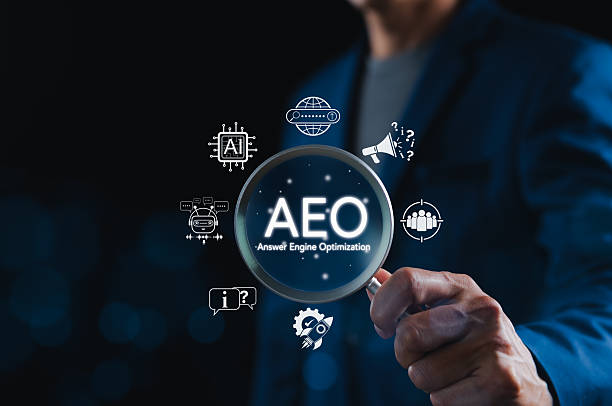
Answer Engine Optimization is all about optimizing your content so AI chatbots, Google SGE, Bing Copilot, and Perplexity can extract direct answers. Instead of ranking a webpage on page 1, AEO helps your content appear as a summarized, chatbot-ready response. With more users relying on AI search results, Answer Engine Optimization is now a core part of the AEO vs SEO discussion.
AEO focuses on:
- Clear question-based headings
- Short, direct answers
- Conversational tone
- FAQ blocks
- Schema markup
- Structured content
- Natural long-tail keywords
AEO ensures your content becomes the “final answer” users see instantly — without needing to click.
What Is Traditional SEO?
Traditional SEO helps your webpage rank organically on Google’s SERPs. It focuses on optimizing content so Google crawlers can properly understand, index, and rank your pages.
SEO includes:
- Keyword research
- Backlinks
- On-page optimization
- Quality content
- Page experience
- Search intent
- Technical SEO
Traditional SEO is still important — but Search Engine Optimization 2026 now requires adapting to AI-driven search.
AEO vs SEO: Key Differences You Must Know
The shift from search to answers brings major changes.
1. Ranking Style
- SEO: Ranks webpages on Google search results.
- AEO: Delivers direct answers through AI chatbots and SGE.
2. User Behaviour
- People scrolling → SEO wins
- People asking “What is…?”, “How to…?” → AEO wins
3. Content Structure
- SEO: Long-form, keyword-rich content
- AEO: Short, concise answers
4. Tools Used
- SEO: Search Console, Ahrefs, Semrush
- AEO: Schema, FAQs, conversational content
This explains why the AEO vs SEO difference matters more in 2026.
Why AEO Matters More in 2026
In AI-driven ecosystems like Gemini, ChatGPT, and Perplexity, users no longer want to read 10 long articles — they want crisp answers.
Why AEO is rising:
- 70% of users prefer instant answers
- Google SGE pushes AI summaries to the top
- Voice search depends on clear answers
- Chatbots extract content from structured data
- Zero-click searches are increasing rapidly
To survive in the AEO vs SEO competition, you must optimize for both.
How Google SGE Changes Everything
Search Generative Experience pulls the best answers across the web, combines them, and shows one AI summary. Content that fits Answer Engine Optimization becomes source material for Google’s summary box.
SGE uses:
- AI search results
- Quality signals
- Strong EEAT
- Clear structure
- Semantic keywords
So if your article isn’t AEO-optimized, it won’t appear in AI boxes.
When SEO Still Works Better Than AEO
Not every search is ideal for AEO.
SEO works best for:
- Product reviews
- Tutorials
- Buying guides
- Long-form topics
- Affiliate blogs
- Niche-specific expertise
Traditional SEO still drives organic clicks, especially for high-intent keywords. This is why balancing AEO vs SEO is the best strategy.
How to Optimize for AEO (Answer Engine Optimization)
Follow these steps to win the AEO race:
1. Write Conversational, Direct Answers
Chatbots prefer human-style explanations.
Use:
- “Here’s the answer…”
- “In simple words…”
- “The easiest way is…”
This improves your Answer Engine Optimization score.
2. Use Question-Based Headings
Example:
- What is AEO?
- How does Google SGE work?
- Is AEO better than SEO?
Google sees these as perfect prompts for SGE and AI bots.
If you’re trying to understand how search is changing in 2026, then learning what is Google SGE is absolutely essential — especially if you’re focused on SEO blogging for beginners. Google’s Search Generative Experience is reshaping how results appear, how content is ranked, and how users interact with AI-generated answers. Instead of traditional blue links, Google SGE now gives instant, AI-powered summaries at the top of search results, pushing normal pages lower. If you want to survive and grow in this new AI-driven search world, you must know how SGE works and how to optimize your blog for it. That’s why I’ve created a complete beginner-friendly guide explaining everything step-by-step. You can check it out here ➜

3. Add FAQ Schema & How-To Schema
Schema helps engines understand your page structure.
More structure = better chances to appear in AI summaries.
4. Keep Answers Short (40–60 words)
AI search results prefer concise explanations.
5. Use Long-Tail Keywords
AI tools analyze long, conversational queries like:
- “Why is AEO important in 2026?”
- “How to optimize for AI answers?”
These naturally strengthen AEO vs SEO hybrid optimization.
If you want to learn how to optimize your content for both AEO and traditional SEO, check out my in-depth guide on what EEAT means in SEO and why it matters in 2026 ➜

How to Optimize for SEO in 2026
Even though AEO is rising fast, classic SEO still matters.
Use these updated SEO tactics:
- Perform intent-based keyword research
- Add semantic clusters
- Write 1,500-3,000-word articles
- Optimize title, slug, meta
- Build internal links
- Keep page speed fast
When SEO + AEO work together, rankings skyrocket.
AEO vs SEO: Focus on only one
Here’s the truth:
You can’t choose one — you need BOTH.
- SEO brings search traffic
- AEO helps you appear in AI answers
- SEO builds authority
- AEO improves visibility in SGE
The real winner in the AEO vs SEO debate is hybrid optimization.
Hybrid Strategy: The Future of Ranking in 2026
To win in modern search, follow this structure:
For SEO:
- 1500-word article
- Keywords
- On-page optimization
- Internal links
- Multimedia
For AEO:
- Short answer paragraphs
- Q&A structure
- Schema
- Voice-friendly text
This proven combination increases your chances of ranking in traditional SERPs and AI search results.
Conclusion
AEO is rising fast and becoming essential for ranking in AI-powered systems like ChatGPT, Gemini, and Google SGE. But SEO is still the backbone of visibility, authority, and organic clicks. Instead of choosing between AEO vs SEO, combine both. Use long-form SEO content for authority and Answer Engine Optimization to dominate AI search results. This hybrid strategy is the ultimate way to win rankings in 2026 and beyond.
FAQ’s
Q1. What is the main difference between AEO and SEO in 2026?
ANS- The biggest difference between AEO and SEO in 2026 is that SEO focuses on helping your content rank on search engine results pages, while AEO (Answer Engine Optimization) helps your content appear directly inside AI chatbots, voice assistants, and Google’s new AI-powered experiences. Instead of optimizing only for keywords and rankings like traditional SEO does, AEO focuses on writing clear, conversational answers, structuring content in a question-and-answer format, using schema markup, and targeting long-tail queries that AI tools prefer.
Q2. Is AEO more important than SEO for ranking in 2026?
ANS- AEO is becoming extremely important in 2026 because more than half of users now rely on AI tools like ChatGPT, Gemini, and Bing Copilot for instant answers instead of traditional Google search. But that doesn’t mean SEO is dead — traditional SEO still matters for Google rankings, but AEO gives you a new advantage by positioning your content for AI-generated answers and Google’s SGE (Search Generative Experience). Think of it this way: SEO helps you appear in Google’s top 10 results, while AEO helps you appear as the top direct answer inside AI chatbots, voice search, and smart snippets.
Q3. How do I optimize my blog for both AEO and SEO together?
ANS- To optimize for both AEO vs SEO, focus on structure + clarity + intent. For SEO, you must use proper keywords, strong headings, internal links, and on-page optimization. For AEO, you need to write short, clear answers, add FAQ sections, use schema markup, and break down information into conversational paragraphs. Start with question-based headings like “How does AEO work?” and provide direct answers within the first 2–3 lines. Then expand with details, examples, or steps — this satisfies both search engines and AI chatbots. Use bullet points, short sentences, and schema markup to help AI understand your content easily.
Q4. Can AI tools help me rank using AEO and SEO?
ANS- Yes, AI tools like ChatGPT, Gemini, Perplexity, and SurferSEO are extremely useful for both AEO vs SEO because they help you create structured, clear, and optimized content faster than manual writing. For SEO, AI can generate keyword lists, outlines, meta descriptions, and long-form content that follows ranking signals. For AEO, AI tools help you rephrase answers in a conversational style, generate FAQ sections, shorten explanations, and create chatbot-friendly summaries. The key is to use AI as an assistant, not as the writer for your entire content — human editing, experience, and EEAT signals are still needed to satisfy Google’s trust factors.
Q5. Which is better for long-term ranking — AEO or SEO?
ANS- Neither is “better” alone — both AEO and SEO are essential for long-term ranking in 2026, but for different reasons. SEO helps you build domain authority, rank for competitive keywords, and appear in traditional Google search results. AEO helps you win visibility in AI chatbots, voice search, zero-click answers, and Google SGE — which is the future of search. Since users now prefer fast, direct answers rather than scrolling through web pages, AEO is quickly becoming a dominant ranking factor. However, SEO continues to be the foundation of content discovery.